Blog
How to Start a Trading Card Collection: Beginner’s Guide


In 2026, the global trading card market is estimated at $20.7 billion, and collectors graded more than 26 million cards in 2025 alone — up 32% in a single year (VoxBooster, 2026; cllct, GemRate data). The hobby has never been bigger — or easier to overspend on as a beginner. Rip the wrong packs, skip the sleeves, and you can burn $100 in a weekend with little to show for it. This guide lays out how to start a trading card collection the smart way: pick a game, set a budget, buy the right cards, and protect them from day one.
Key Takeaways
- Start with one game you actually love — Pokémon is the most popular and beginner-friendly, but the best game is the one you’ll stick with.
- You can start for under $50: a starter deck, a pack of penny sleeves, and a few boosters. Set a monthly budget before you buy.
- Buy singles for the cards you want, and sleeve everything immediately. Condition is what decides a card’s value later.
Short answer: Pick one game, set a monthly budget, buy single cards instead of chasing them in packs, and sleeve every keeper the moment you open it. Add a zip binder to store and show off your collection, sort by set, and track what you own. Do those five things and you’re collecting like someone who’s been at it for years.
Which Trading Card Game Should You Collect First?
Start with the game you already love. In 2025, TCG and non-sport cards (led by Pokémon) overtook sports cards at the major graders for the first time, with 16.8 million graded versus 10.0 million sports cards (GemRate via cllct, 2026). Pokémon is the most popular and most beginner-friendly game, but Magic: The Gathering rewards deep strategy, and newer games like One Piece and Disney Lorcana are growing fast. There’s no wrong pick — only the one you’ll enjoy long enough to build a real collection.

Here’s the trap most beginners fall into: collecting three games at once. Spread thin, you end up with a pile of random cards and no real set in any game. Pick one to start. You can always branch out once you know how you like to collect.
How Much Money Do You Need to Start Collecting?
Less than you’d think — you can start a real collection for under $50. A starter or theme deck for your game runs about $12–$20 and gives you a playable base of cards. Add a pack of penny sleeves for around $5 and a few boosters for the fun of the pull. The single most useful habit isn’t a purchase at all: set a monthly budget before you buy anything, and treat it as a hard ceiling.
| Your first purchases | Typical cost | Why it matters |
|---|---|---|
| Starter / theme deck | $12–$20 | A ready-to-play base of cards for your game |
| Penny sleeves (100+) | ~$5 | Sleeve every card you keep, from day one |
| A few booster packs | $15–$20 | The fun of the rip — and a few chase cards |
| A zip binder | $27–$30 | Store, sort, and show off your collection safely |
| Total to start | Under $75 | A complete, protected starter setup |
From there, most casual collectors spend $25–$50 a month. The goal isn’t to buy the most — it’s to buy with a plan. A collector with a clear goal and a budget will always end up with a better collection than one who just rips packs on impulse.
Should Beginners Buy Booster Packs or Single Cards?
For specific cards, buy singles almost every time. Opening booster packs is fun, but the odds of pulling one particular card are low, and chasing it pack after pack usually costs far more than just buying that card outright. Want the chase card? Buy the single on a marketplace and you’ll typically pay a fraction of what it’d cost to pull it. Save packs for the pure joy of the rip — not as a strategy for completing a set.
So when do packs make sense? When you value the experience of opening them, when you’re playing a limited-format game night, or when you just enjoy the surprise. Just don’t confuse the fun of gambling on packs with the goal of building a collection. Those are two different hobbies that happen to share a shelf.
How Do You Protect Your Cards From Day One?
Sleeve every keeper the moment you open it. With a record 26.6 million cards graded in 2025, the whole hobby now runs on condition — and condition is decided the instant a card leaves the pack (cllct, 2026). Think in layers: a penny sleeve for every card, a toploader or a side-loading binder page for the ones you care about, and a sealed zip binder around the whole collection. Each layer buys you protection against the three things that wreck cards — fingers, dust, and drops.
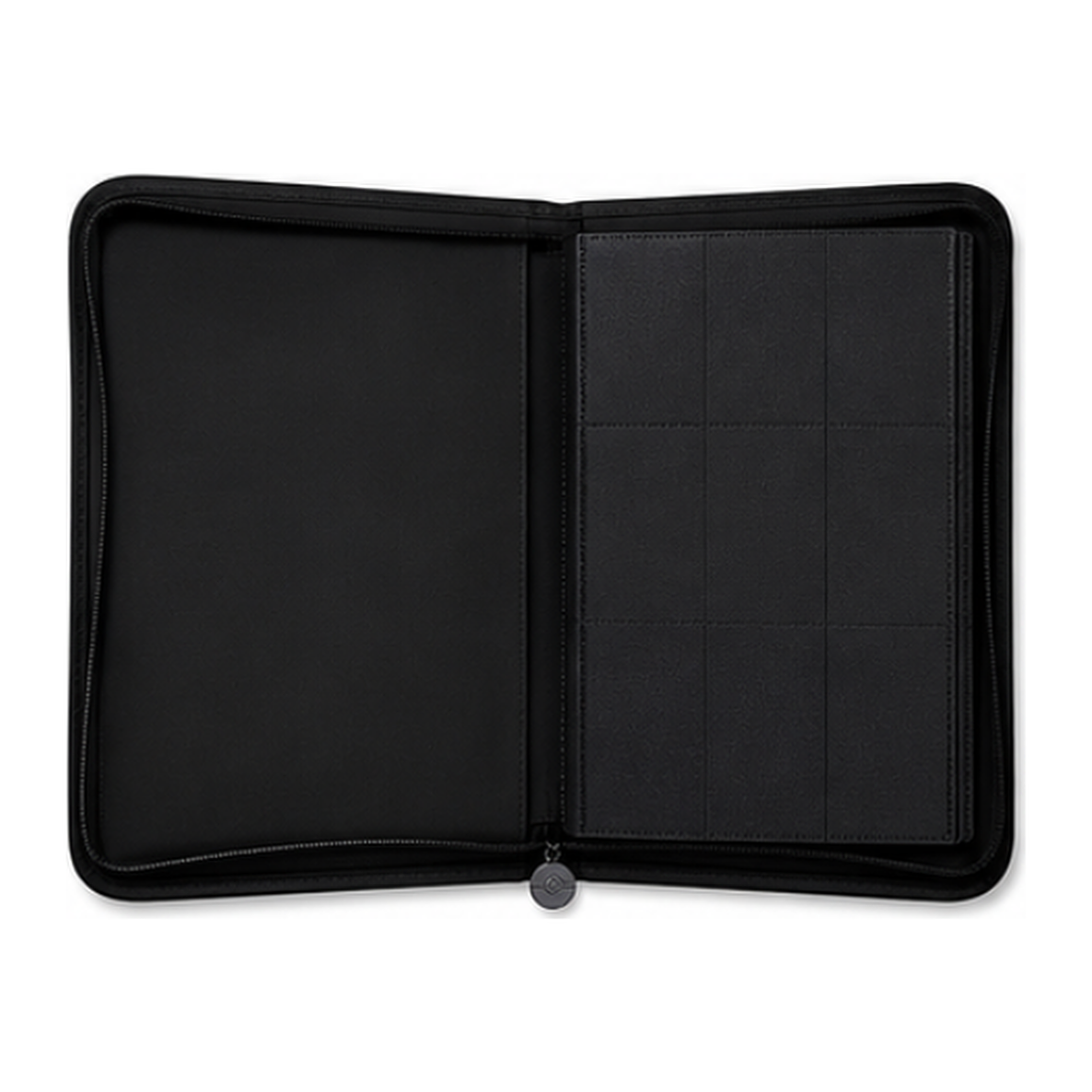
One warning that saves collections: avoid cheap PVC pages. Over time they release acids that yellow and lift the ink right off a card. Look for acid-free, non-PVC, archival-safe pages instead. If you want the full breakdown, see our card binder buying guide and our comparison of binders vs. toploaders vs. storage boxes.
How Should You Organize a Growing Collection?
Sort broad first, then narrow: by game, then by set, then by card number. It’s the fastest system to maintain and the easiest to search when you’re hunting one card. Use a binder for the collection you actively browse and trade, a storage box for bulk commons, and toploaders for your highest-value hits. Don’t try to sort everything in one sitting — work in batches of 100–200 cards so the job stays fun instead of feeling like homework.
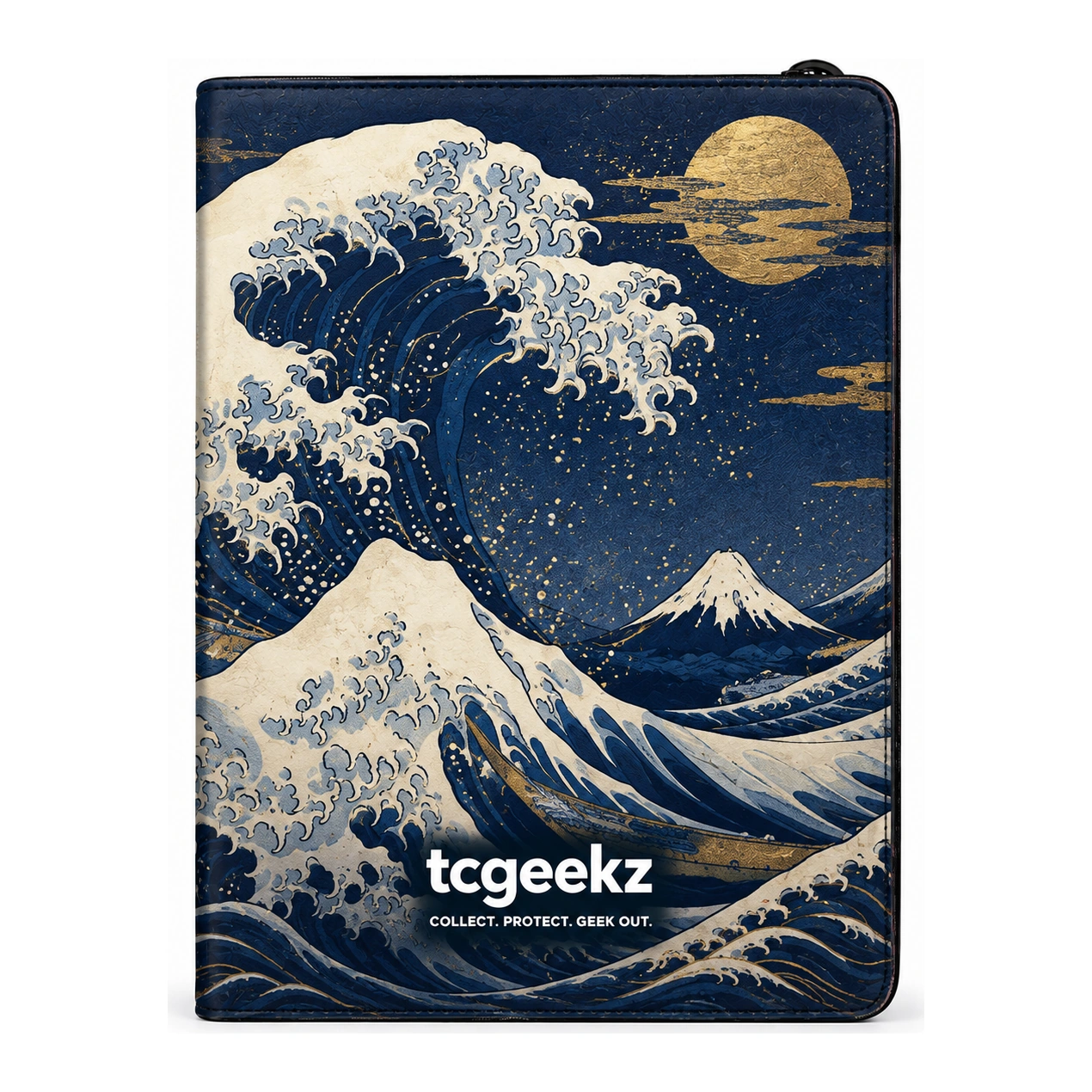
A little structure early pays off fast. For a step-by-step system — sleeving, sorting, and tracking — follow our guide on how to organize your trading card collection. Future you, trying to find one card in a stack of 500, will be grateful.
How Do You Know What a Card Is Worth?
Check recent sold prices, not asking prices. The real value of a card is whatever people actually paid for it recently — look at completed/sold listings on marketplaces like TCGplayer or eBay, not the hopeful sticker price. Condition swings that number hard: the same card can be worth $5 lightly played or $500 in gem-mint graded shape, which is exactly why a record 26.6 million cards were graded in 2025 (cllct, 2026). For a beginner, you don’t need to grade anything — just learn to read condition and sold prices.
What Beginner Mistakes Should You Avoid?
Most beginner regret comes from a handful of avoidable mistakes. Dodge these five and you’re ahead of most first-year collectors:
- Not sleeving. The cheapest mistake to avoid — a $5 pack of sleeves protects hundreds of cards.
- Cheap PVC ring binders. Rings dent cards and PVC pages discolor them. Use a side-loading, acid-free zip binder.
- Collecting with no goal. A pile of random cards isn’t a collection. Pick a game, a set, or a theme.
- Treating sealed product as guaranteed profit. Some product goes up; plenty doesn’t. Collect what you enjoy, not a lottery ticket.
- Ignoring condition when you buy. A cheap card with soft corners is cheap for a reason. Always check the photos.
Your First-Week Starter Checklist
Ready to actually start? Here’s the whole thing in five steps you can do this week:
- Pick one game to focus on — the one you’ll enjoy most.
- Set a monthly budget and treat it as a hard limit.
- Buy a starter deck and a pack of penny sleeves — sleeve every keeper.
- Get a zip binder and sort your cards by set.
- Start a simple list of what you own so you never double-buy.
That’s a complete, protected collection in motion — and every TCGeekz zip binder is built to keep it mint. Collect. Protect. Geek Out.
Frequently Asked Questions
How much money do you need to start collecting trading cards?
You can start for under $50: a starter deck ($12–$20), a pack of penny sleeves (~$5), and a few boosters. Add a zip binder and you’re fully set up for under $75. In a hobby estimated at $20.7 billion in 2026, the barrier to entry is refreshingly low (VoxBooster, 2026).
What’s the best trading card game for beginners?
Pokémon is widely considered the most beginner-friendly and is the most popular TCG in the world. Magic: The Gathering suits players who love deep strategy, while One Piece and Disney Lorcana are fast-growing newer options. TCG cards led all grading in 2025 with 16.8 million submissions (GemRate via cllct, 2026).
Should I buy booster packs or single cards?
Buy singles when you want a specific card — it’s almost always cheaper than chasing that card through packs. Booster packs are best for the fun of opening them and for playing limited formats. For completing a set on a budget, singles win nearly every time.
Do I need to grade my cards?
No — grading is optional and mostly for high-value cards you want authenticated. Even with a record 26.6 million cards graded in 2025, the vast majority of collections are simply sleeved and stored (cllct, 2026). Focus on protection first; grading can come later.
How do I keep my cards in mint condition?
Sleeve cards the moment you open them, store keepers in a side-loading zip binder with acid-free, non-PVC pages, and keep everything out of direct sunlight and humidity. Avoid cheap PVC ring binders, which dent and discolor cards over time. Layered protection is how condition — and value — survives.
The Bottom Line
Starting a trading card collection is simple when you strip it back: pick one game, set a budget, buy singles for what you want, and protect every card from the moment you open it. Do that and you’ll build something you’re proud of instead of a drawer full of regret. The hobby is booming — there’s never been a better time to start, or more reason to store your cards right.
Once your collection starts growing, give it a home worth showing off. Browse our original zip binder designs, then dig deeper with our card binder buying guide and collection organizing guide.
Sources
- VoxBooster, Trading Card Statistics (2026), retrieved 2026-08-27, https://voxbooster.com/blog/trading-card-statistics-2026/
- cllct, Major authenticators graded more than 26 million cards in 2025 (GemRate year-end data), retrieved 2026-08-27, https://www.cllct.com/sports-collectibles/sports-cards/major-authenticators-graded-more-than-26-million-cards-in-2025