

Blog
Card Binder Buying Guide: How to Choose the Right Binder

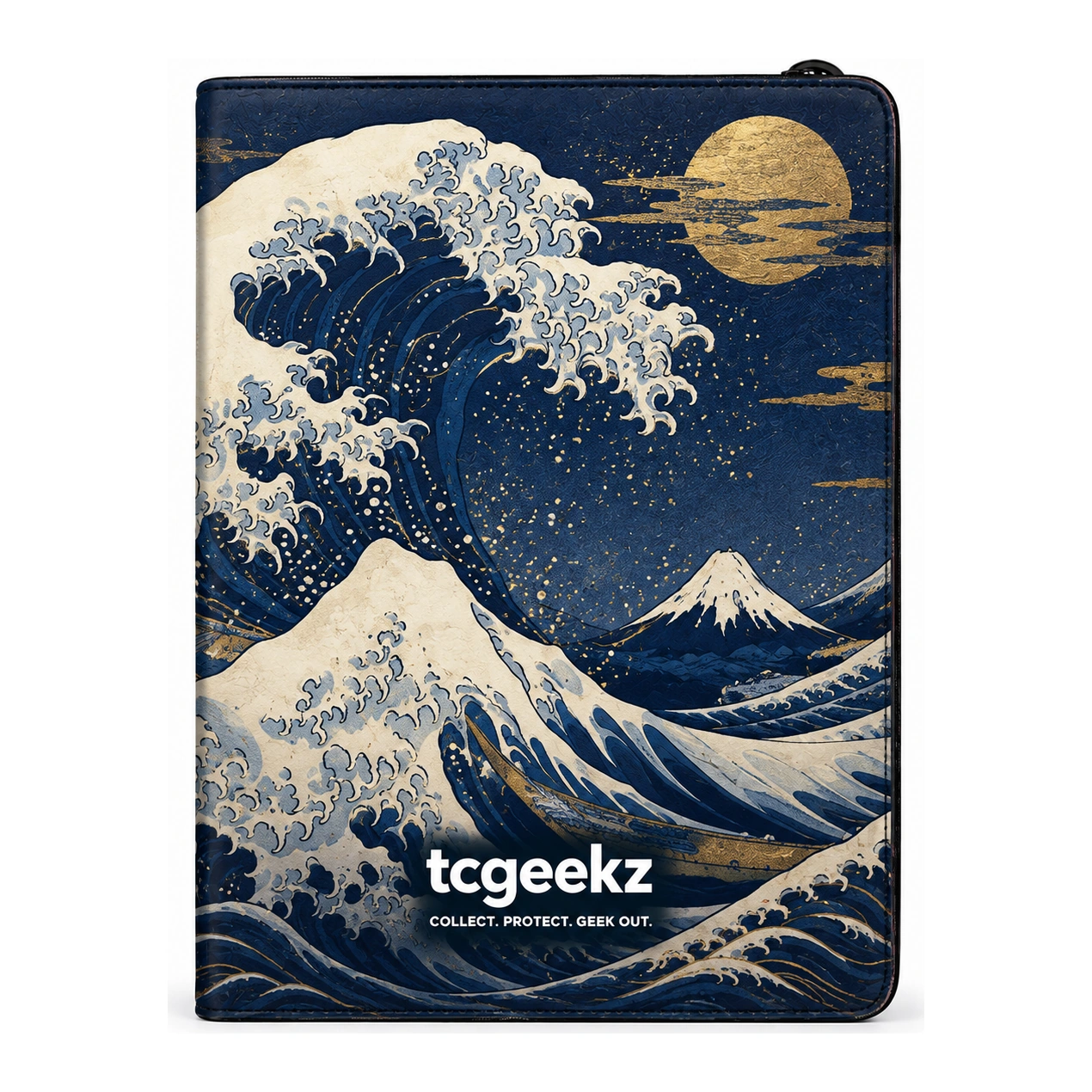
In 2026, the global trading card market is estimated at $20.7 billion, and collectors graded more than 26 million cards in 2025 alone — a 32% jump in a single year (VoxBooster, 2026; cllct, GemRate data). Grading is really a bet on condition, and condition is decided long before a card reaches a grader — in the binder it lives in every day. So the binder you choose isn’t a small decision. Pick the wrong one and you’re slowly sanding the corners off your best cards. This guide walks through the seven things that actually matter when you buy a card binder, so you can choose one that protects your collection instead of quietly wearing it down.
Key Takeaways
- The three specs that matter most are side-loading pockets, a full zip-around closure, and acid-free, non-PVC pages. Get those right and the rest is preference.
- Skip open-ring binders for cards worth keeping — the metal rings dent cards and the pages let them slip out when tilted.
- A 9-pocket, 360-card zip binder is the sweet spot for most collectors: enough capacity to be useful, compact enough to carry.
Short answer: Buy a 9-pocket zip binder with side-loading pockets and acid-free, non-PVC pages. Side-loading stops cards from sliding out, the zip seals against dust and drops, and archival pages keep them from yellowing or sticking. Everything else — capacity, cover, and cover art — comes down to how big your collection is and what you want to carry.
What Actually Matters When You Buy a Card Binder?
Most binder listings bury the important stuff under cover art and marketing. In practice, seven things decide whether a binder protects your cards or damages them: closure type, pocket loading direction, page material, pocket count, capacity, build quality, and price. Nail the first three and you’ve avoided every common way a binder ruins a collection. The table below is the whole buying decision on one screen.
| What to check | Look for | Avoid |
|---|---|---|
| Closure | Full zip-around | Open rings, loose elastic |
| Pocket loading | Side-loading | Top-loading |
| Page material | Acid-free, non-PVC (polypropylene) | Cheap PVC pages |
| Pocket count | 9-pocket (standard) | Odd sizes for standard cards |
| Capacity | Sized to your collection (+ room to grow) | Overstuffing a small binder |
| Cover | Padded, matte, wipe-clean | Thin card that creases |
| Fit | Sleeve-friendly pockets | Tight pockets that scuff sleeves |
Ring Binder or Zip Binder — Which Is Safer for Cards?
A zip binder is far safer, and it’s not close. Open three-ring binders were built for paper, not cards: the metal rings sit right where your pages flex, and over time they press half-moon dents into the cards nearest the spine. Worse, an open binder has no seal — tip it off a table and pages fan open, dust settles between sleeves, and a knocked-over drink finds its way straight in. A full zip-around closure turns the binder into a sealed case that keeps dust, spills, and drops on the outside, where they belong.
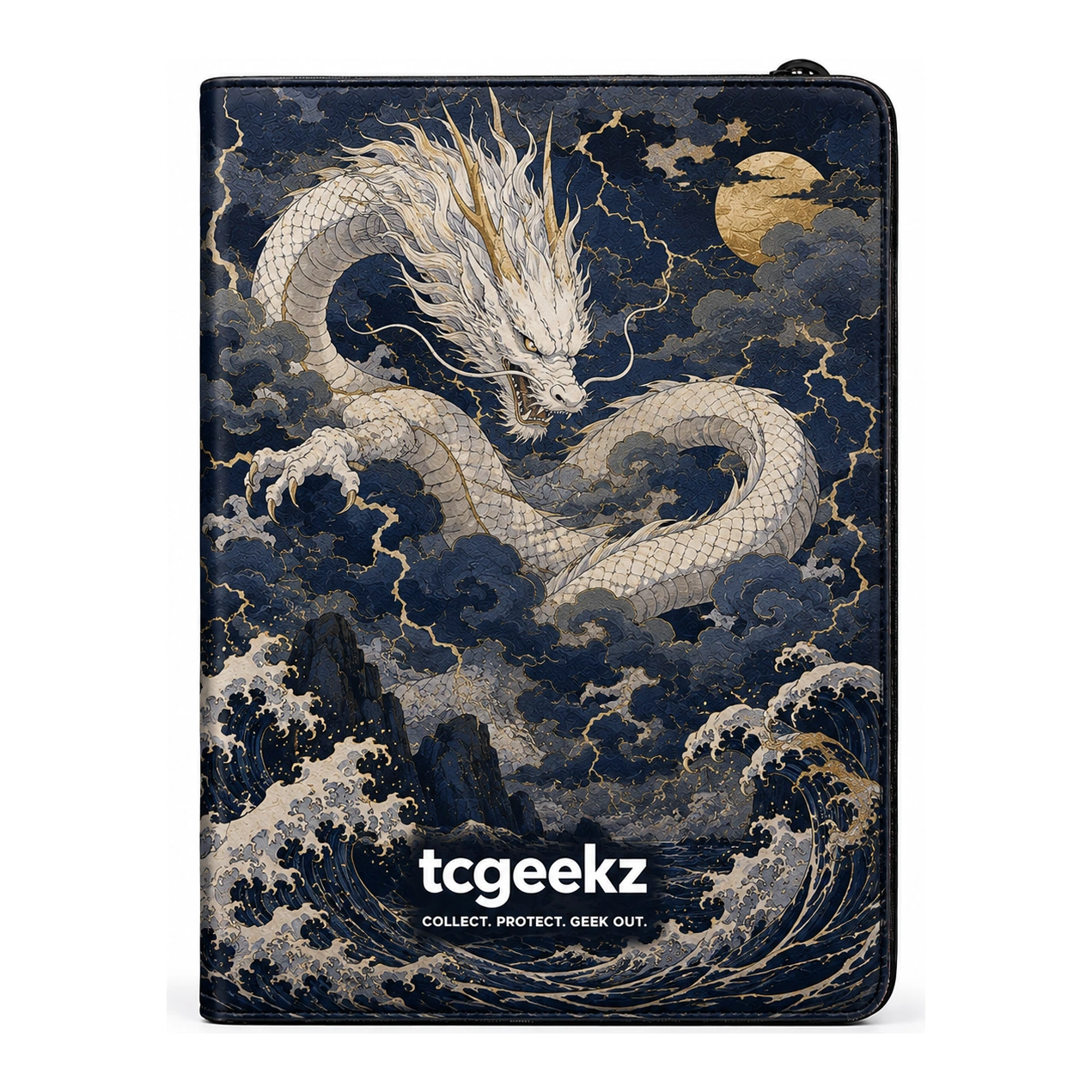
Every TCGeekz binder is a zip binder for exactly this reason. The zip runs the whole way around and locks with a metal “tg” coin pull, so you can carry it flat, upright, or buried in a backpack between matches without a single card shifting. If you’re still weighing formats, our breakdown of binders vs. toploaders vs. storage boxes shows exactly where each one wins.
Side-Loading vs. Top-Loading Pockets: Does It Really Matter?
It matters more than almost any other spec. Side-loading pockets open on the inside edge, so gravity works with you — tilt or flip the binder and the cards stay put. Top-loading pockets open at the top, which means every tilt is a chance for a card to slide out onto the floor, and every insertion drags the card’s corner across the pocket seam. That repeated friction is what quietly whitens corners over a year of normal handling. For a collection you actually browse and carry, side-loading is the single best protection upgrade you can buy.
All of our binders use side-loading pages: 20 pages, 9 pockets per side, gripping each card so it can’t work its way free even when the binder is upside down. It’s a small design choice that saves you from the worst feeling in the hobby — watching a chase card flutter to the ground.
Why Page Material Decides Whether Your Cards Survive
Because the wrong plastic destroys cards from the inside. Cheap binders often use PVC pages, and as PVC ages it releases acids and plasticizers that make pages yellow, turn sticky, and eventually lift the ink right off a card’s surface. By the time you notice, the damage is permanent. The archival-safe standard is simple: pages made from polypropylene, explicitly labeled acid-free and PVC-free. Those materials are inert — they just hold the card and do nothing to it.
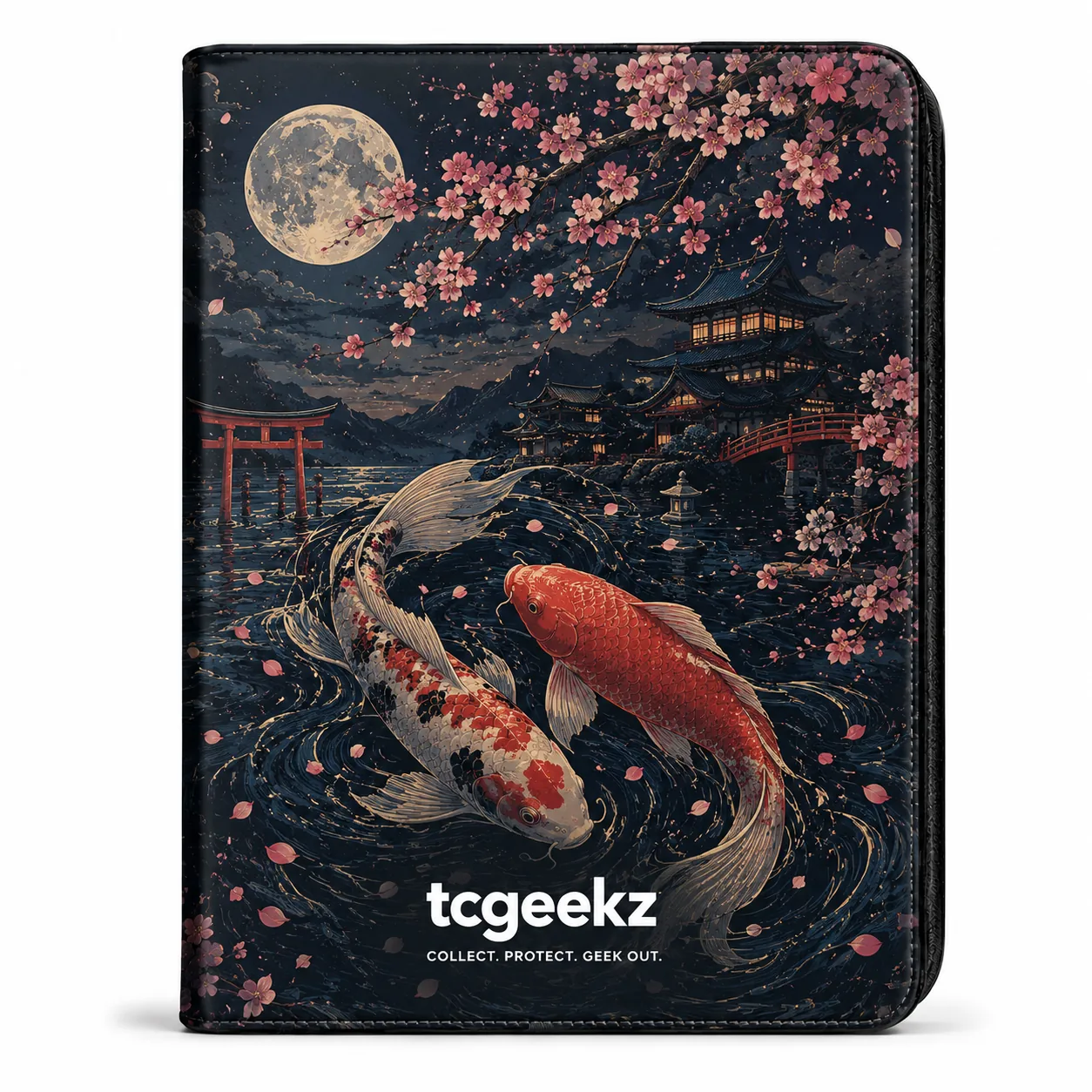
This is the spec people skip because they can’t see it, and it’s the one that decides whether a card is still mint in five years. Every TCGeekz binder uses acid-free, non-PVC, archival-safe pages sized to fit cards in perfect-fit or standard sleeves — so the pages protect your cards instead of slowly eating them.
How Many Pockets and How Much Capacity Do You Need?
For standard-size cards, 9 pockets per page is the format to buy. It matches the classic 3×3 grid collectors have used for decades, displays a full playset cleanly, and is what every page-count and capacity number is built around. A 9-pocket binder with 20 pages holds up to 360 cards — roughly a full competitive collection or a themed set with room to grow. The rule of thumb: buy for the collection you’ll have in a year, not the one you have today.
| Binder size | Cards held | Best for |
|---|---|---|
| 4-pocket | ~160 | Small themed sets, kids, on-the-go |
| 9-pocket (20 pages) | 360 | Most collectors — the sweet spot |
| 12-pocket | 480+ | Large master sets, bulk display |
One thing people forget: pockets need to fit sleeved cards, not bare ones. If you sleeve your cards (and you should sleeve anything worth more than a few dollars), make sure the pockets are cut for perfect-fit or standard sleeves so you’re not forcing cards in and scuffing them on the way. Need a system before you fill the pages? Start with our guide on how to organize your trading card collection.
Does the Cover and Build Quality Matter?
Yes — the cover is the armor around everything inside. A padded faux-leather cover absorbs the knocks and drops that would otherwise reach your cards, and a matte finish wipes clean instead of showing every fingerprint. Thin cardboard covers, by contrast, crease at the corners and telegraph impacts straight through to the pages. Look for a padded cover, a sturdy metal zipper (plastic zips are the first thing to fail), and weight that feels substantial rather than flimsy.
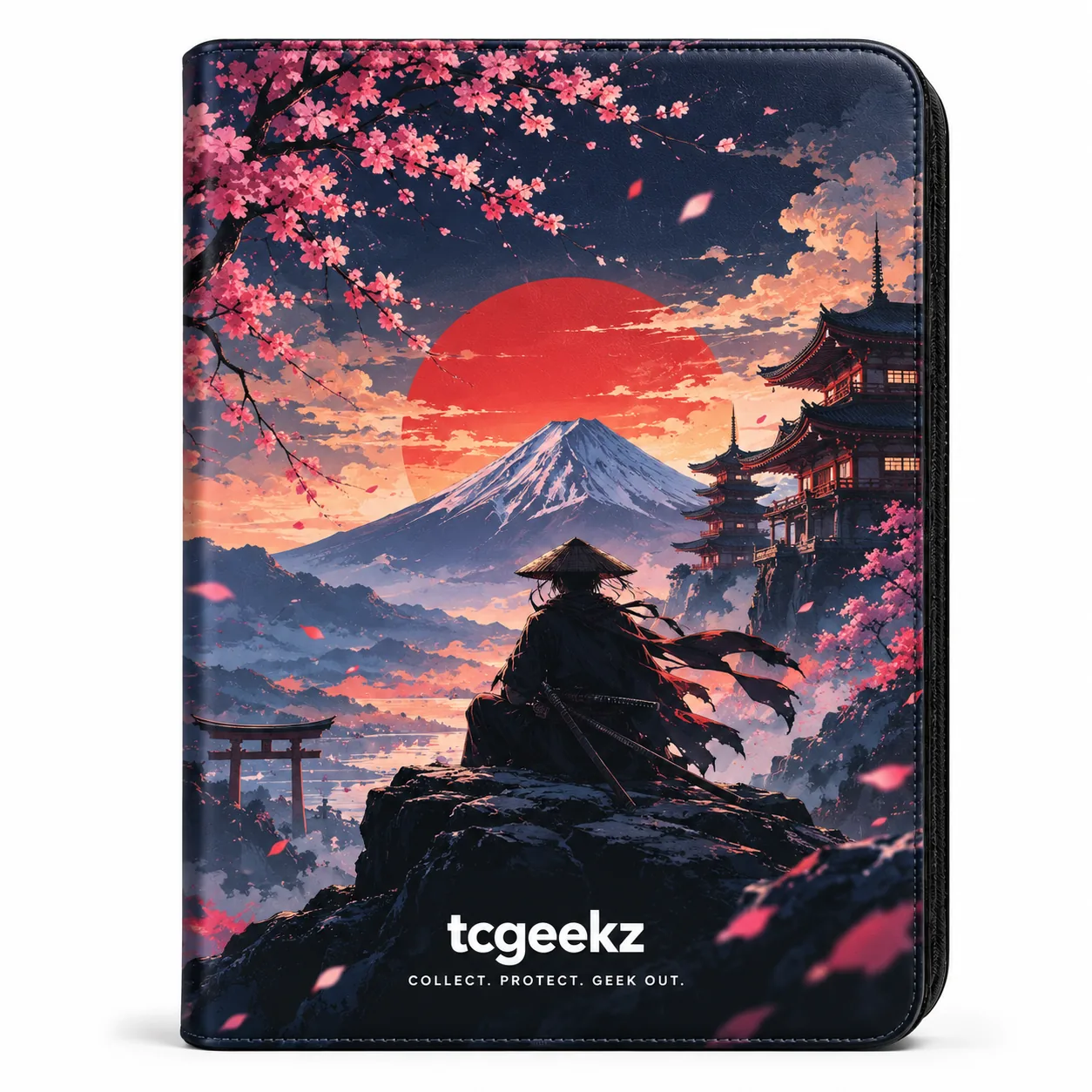
Our binders run about 14 × 10.5 inches with a padded PU-leather cover, a #5 nylon zipper, and a custom metal coin pull — built to take a bag toss and keep the cards inside mint. That’s the difference between a binder that survives three seasons of play and one that’s fraying by the next set release.
How Much Should You Spend on a Card Binder?
For a quality zip binder, expect to pay roughly $25–$35 — and that range is a bargain next to what it protects. Think about the math: a single graded chase card can be worth $500, while an $8 open-ring PVC binder can quietly dent or discolor a whole page of them. The cheap binder is the expensive mistake. Spending $27–$30 on a sealed, side-loading, archival binder is insurance, not indulgence, when a record 26.6 million cards were graded in 2025 precisely because condition drives value (cllct, 2026).
TCGeekz zip binders sit right in that protective sweet spot, from $26.99 to $29.99 — premium build, archival pages, and original cover art, without the collector-brand markup.
Which TCGeekz Binder Design Is Right for You?
Once the protection specs are handled — and on every TCGeekz binder, they are — the only thing left to choose is the art. Every cover below is an original TCGeekz design wrapped around the exact same vault: 20 side-loading 9-pocket pages, 360-card capacity, acid-free non-PVC pages, and a full zip-around closure. Two broad moods to pick from:
- Japanese & ukiyo-e art — Great Wave, Storm Dragon, Ronin, Sakura Summit, Moonlit Koi, and Crimson Bloom for collectors who want fine-art energy on the shelf.
- Playful & retro — Arcade Maze, Pixel Grid, Pastel Blobs, Blob Squad, and Burrow for a cover that’s as fun as the cards inside.
The Bottom Line
Choosing a card binder comes down to three questions: Does it seal? Do the pockets load from the side? Are the pages acid-free and PVC-free? Answer yes to all three and you’ve bought a binder that protects your collection for years instead of aging it. Match the capacity to how much you collect, pick a cover that can take a knock, and then — the fun part — choose the art that makes you want to show it off.
Every TCGeekz zip binder is built to that spec on purpose. Browse the full lineup and find the one that fits your collection — Collect. Protect. Geek Out.
Frequently Asked Questions
Do binders damage trading cards?
Only the wrong binders do. Open-ring binders can dent cards near the spine, and cheap PVC pages release acids that yellow and lift ink over time. A zip binder with side-loading, acid-free, non-PVC pages protects cards indefinitely. With more than 26 million cards graded in 2025, using archival-safe storage is how collectors defend condition (cllct, 2026).
Are side-loading or top-loading binders better?
Side-loading is better for protection. The pockets open on the inside edge, so cards can’t slide out when the binder tilts or flips, and you avoid the corner friction that top-loading causes on every insertion. Top-loading pages are the most common reason collectors lose a card onto the floor mid-flip.
How many cards does a 9-pocket binder hold?
A 9-pocket binder with 20 pages holds up to 360 standard-size cards — nine pockets on each side of every page. That’s enough for a full competitive collection or a themed set with room to grow, which is why the 9-pocket, 360-card format is the sweet spot most collectors settle on.
Will a card binder fit sleeved cards?
It depends on the binder. Quality binders have pockets cut for cards in perfect-fit or standard sleeves, so sleeved cards slide in without force. Cheaper binders often have tight pockets that scuff sleeves. Always check that a binder is sleeve-friendly — every TCGeekz binder is designed to fit sleeved cards.
What size binder is best for a Pokémon or Magic collection?
A 9-pocket, 360-card zip binder handles most Pokémon, Magic: The Gathering, Yu-Gi-Oh!, Lorcana, or One Piece collections comfortably. It matches the standard 3×3 display grid and fits all major games’ standard-size cards. For very large master sets, step up to a 12-pocket binder or run multiple 9-pocket binders sorted by set.
Sources
- VoxBooster, Trading Card Statistics (2026), retrieved 2026-08-27, https://voxbooster.com/blog/trading-card-statistics-2026/
- cllct, Major authenticators graded more than 26 million cards in 2025 (GemRate year-end data), retrieved 2026-08-27, https://www.cllct.com/sports-collectibles/sports-cards/major-authenticators-graded-more-than-26-million-cards-in-2025



2 thoughts on “Card Binder Buying Guide: How to Choose the Right Binder”