
Blog
How to Organize a One Piece Card Collection (Step-by-Step for 2026)


In December 2025, every single card on CGC’s list of most-submitted cards was a One Piece card — not one sports card, not one Pokémon card (Sports Illustrated / cllct, 2026). The game exploded, and so did the piles of cards on collectors’ desks. If Luffy, Zoro, and a growing stack of leaders have taken over your table, this guide walks you through organizing a One Piece Card Game collection the right way — by set, color, rarity, and the storage that keeps your best cards mint.
Key Takeaways
- Sort in three passes: by set code (OP-01, OP-02…), then by color, then numerically by card number. The
OP01-001numbering scheme does most of the work for you. - Protect by rarity: Super Rares, Secret Rares, alt-arts, and manga rares belong in sleeves and toploaders or a premium binder — commons can live in a bulk box.
- The market backs the effort: 26.8 million cards were graded in 2025, up 32% year over year, and TCG cards overtook sports cards for the first time (GemRate via VoxBooster, 2026).
- Match storage to purpose: a binder for the collection, deck boxes for playsets, toploaders for chase cards. One system rarely does all three.
Why is organizing One Piece cards its own challenge?
The One Piece Card Game packs more organizing variables than most TCGs: six colors, seventeen main sets in under four years, and decks built around a single Leader card. As of 2026, Bandai Namco ranks third in global trading-card-game market share, with the top five publishers holding roughly 55% of the market (Global Market Insights, Trading Card Games Market, 2026). That scale means new sets, new leaders, and new alt-arts land faster than a shoebox can absorb them.
Here’s the structure you’re actually organizing. The game uses six colors — Red, Green, Blue, Purple, Black, and Yellow. Every deck is built around one Leader card, and that leader’s color decides which cards the deck can run. So your collection naturally splits two ways at once: by set and by color. Get both axes into your sorting plan and the rest falls into place.

Why bother with a real system? Because the grading boom is being driven by cards exactly like yours. In 2025, TCG and non-sport cards overtook sports cards for the first time, with 16.8 million graded — a 95% jump — while sports slipped to 10 million (GemRate via VoxBooster, 2026). A disorganized collection is a collection you can’t value, insure, or grade with confidence.
How should you sort your One Piece cards?
Sort in three passes: by set, then by color, then by card number. One Piece makes this easy because every card carries a code like OP01-001 — the set (OP-01), a dash, and the card’s number within that set. Sort by the set code first, then run each set numerically, and your binder mirrors the official checklist page for page.
The set list runs from OP-01 Romance Dawn (2022) through the OP-17 releases of 2026, plus Starter Decks (ST-), Extra Boosters (EB-), and Premium Boosters (PRB-). Black debuted in OP-02 Paramount War and Yellow in OP-03 Pillars of Strength, so older Romance Dawn pulls only span four colors — a small quirk worth knowing when a page looks “incomplete.” Which of the three sorting methods below fits you depends on whether you’re a player, a collector, or both.
| Sorting method | Best for | How it works |
|---|---|---|
| By set, then number | Set collectors, master-set builders | Follow the official checklist: OP-01 #001 onward. Easiest to spot gaps. |
| By color, then leader | Players and deck builders | Group Red / Green / Blue / Purple / Black / Yellow, then by leader archetype. |
| By purpose (three-pile) | Everyone, as a first pass | Split into keep-collection, play-decks, and trade/sell before fine sorting. |
My recommendation for a mixed collection: do the three-pile pass first, then sort the “keep” pile by set and the “play” pile by color. It stops you from sleeving a card into your master binder that you actually need in a deck next week. For the general method behind any TCG, our complete guide to organizing a trading card collection covers the fundamentals this post builds on.
Which One Piece rarities should you protect?
Protect anything at Super Rare and above. The rarity ladder runs Common (C), Uncommon (UC), Rare (R), Super Rare (SR), Secret Rare (SEC), and Leader (L), with a Special (SP) tier added in the game’s second year. On top of that sit the treatments collectors chase: alternate art, manga rares (Secret-tier cards using Eiichiro Oda’s manga panels), parallel/foil versions marked with a star above the rarity symbol, and full-bleed alt-art leaders. The rarity symbol always sits in the card’s bottom-right corner.
Those chase cards carry real money, which is exactly why storage matters. The most valuable card in the game, the Monkey D. Luffy OP13-118 Red Super Alt-Art, sold for $11,700 in a BGS 10 grade in May 2026, with raw near-mint copies changing hands around $8,489 (TCG Stacked, Top 100 Most Expensive One Piece Cards, 2026). Secondary-market prices swing week to week, so treat the figures below as recent mid-2026 sales, not fixed values — but the ranking tells you what to sleeve first.
What’s the best storage for One Piece cards?
Match the storage to the card’s job. No single container handles a whole collection well — a binder shows off a set, deck boxes carry playsets to events, and toploaders armor your highest-value pulls. Here’s how the main options compare for a One Piece collection.
| Storage | Holds | Best for |
|---|---|---|
| Zip binder (9-pocket) | Hundreds of sleeved cards | Your display collection, sorted by set and color |
| Deck box | One built deck (50+ cards) | Playable decks and Don!! cards for events |
| Toploader / one-touch | Single cards | SRs, SECs, alt-arts, and manga rares |
| Storage / bulk box | Hundreds to thousands | Commons and duplicate trade fodder |
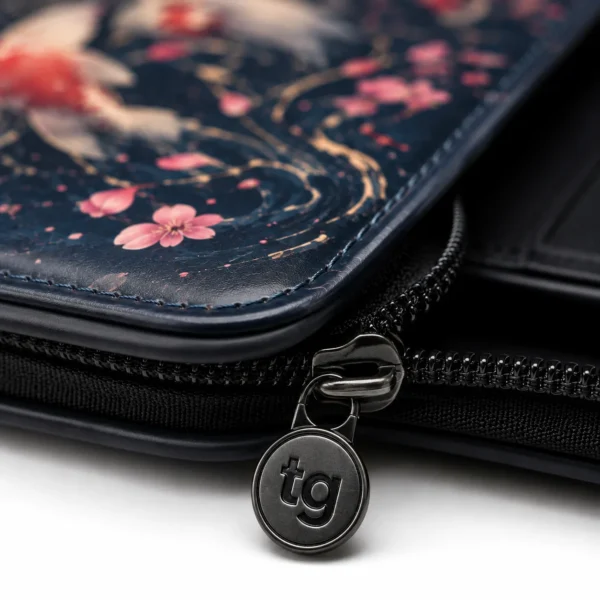
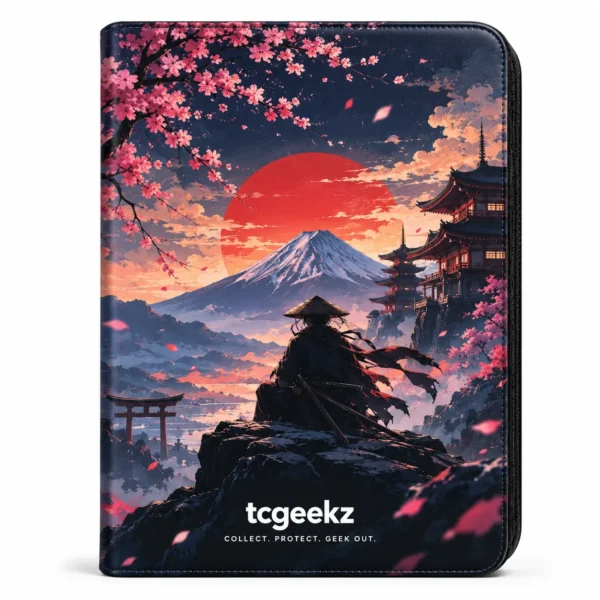
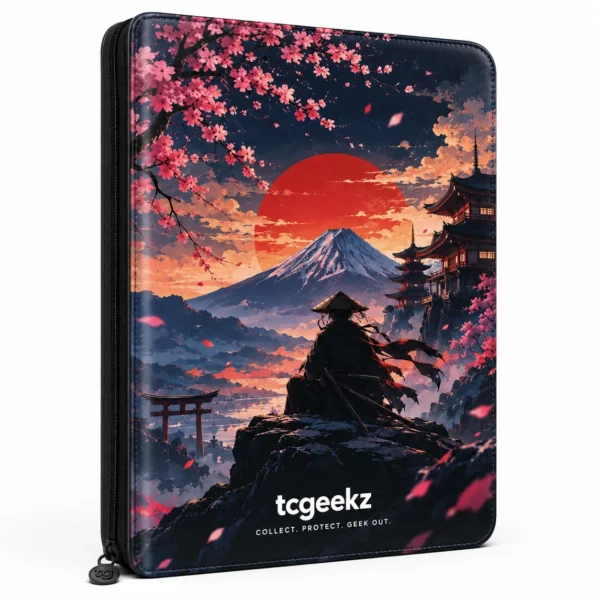
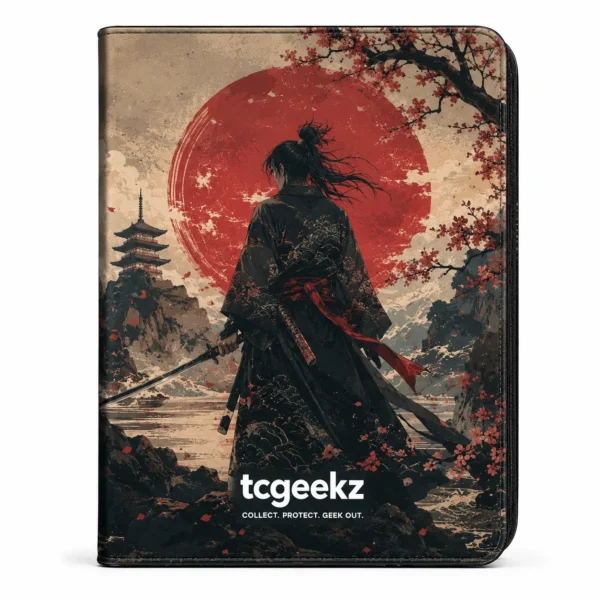
For most collectors the backbone is a good zip binder: a full zip-around closure keeps cards from sliding out, and side-loading pages stop them slipping when you flip the book. Our own TCGeekz zip binders are built for exactly this — 9-pocket, 20 side-loading pages, 360 cards, on acid-free, non-PVC, archival pages. Browse the full range below.
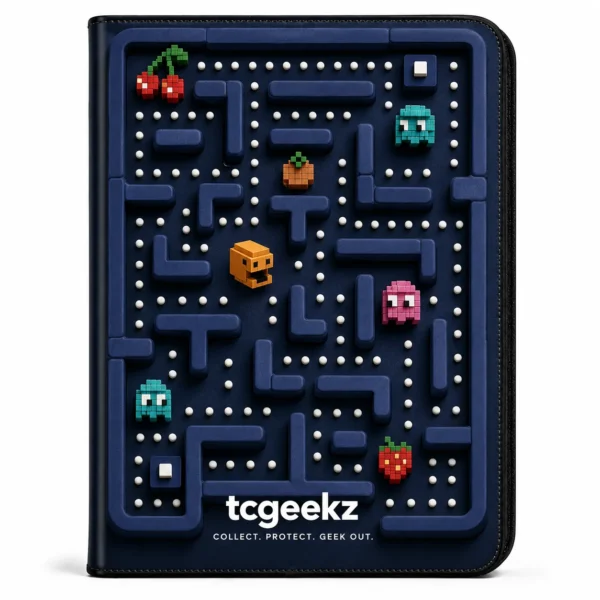
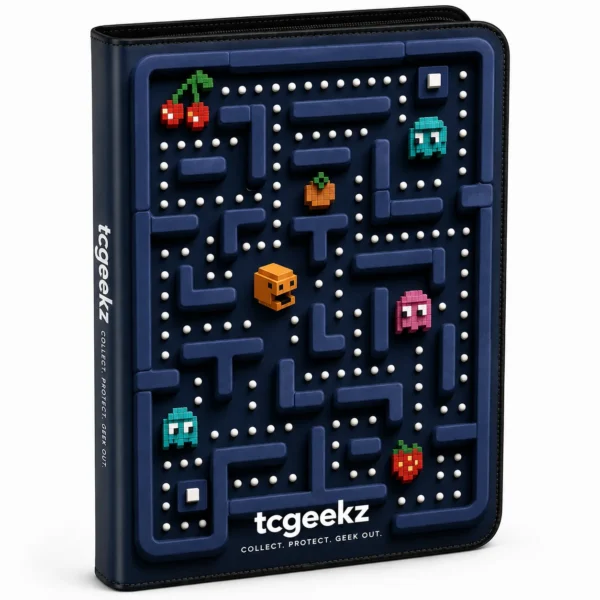
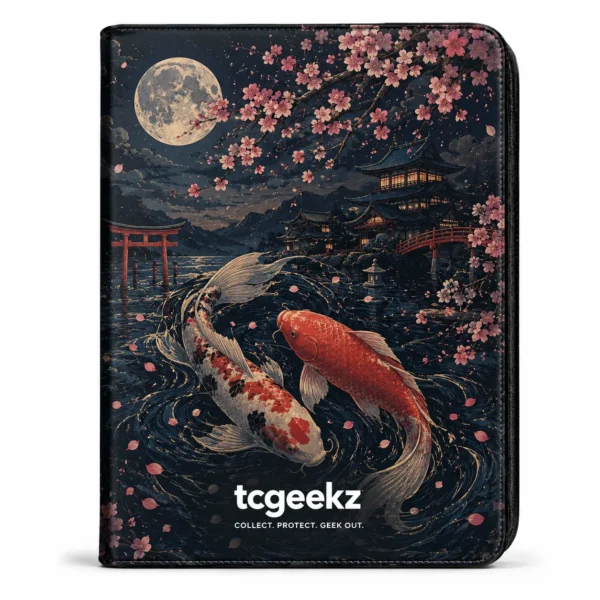
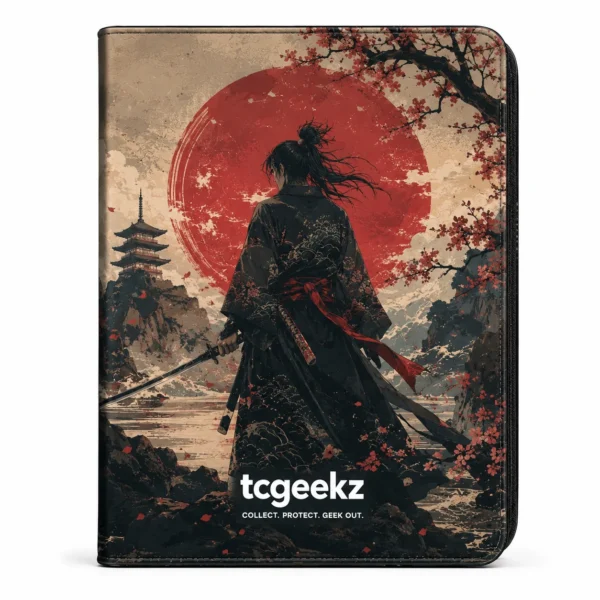
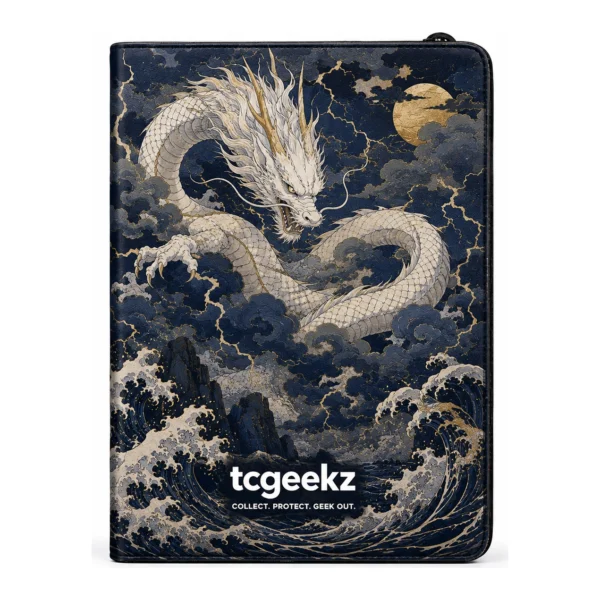
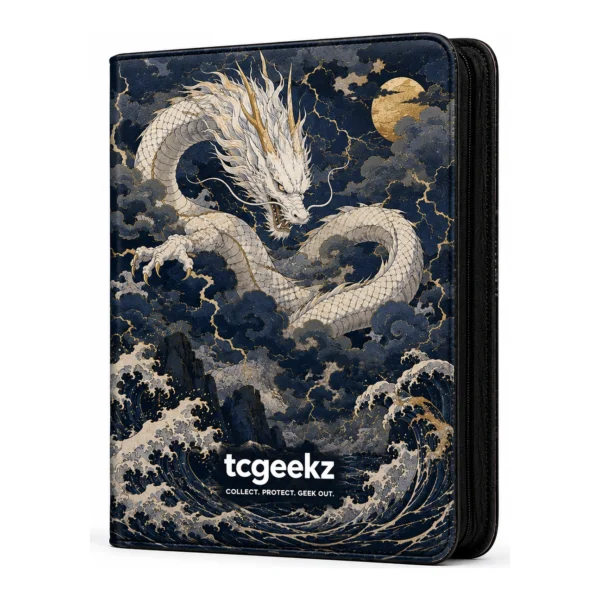
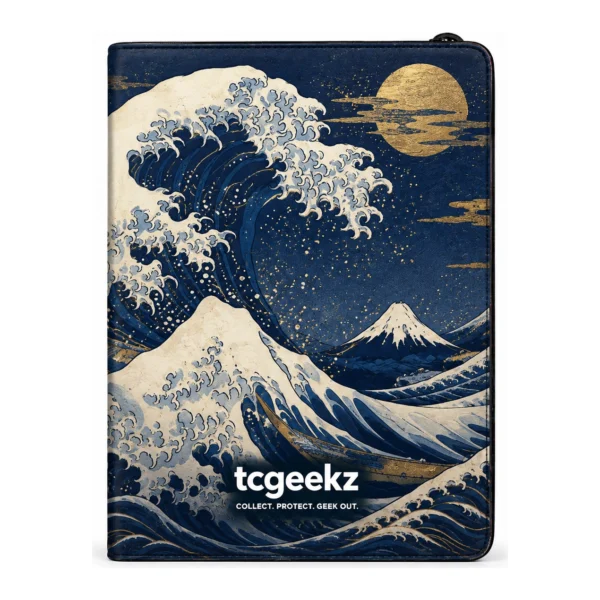
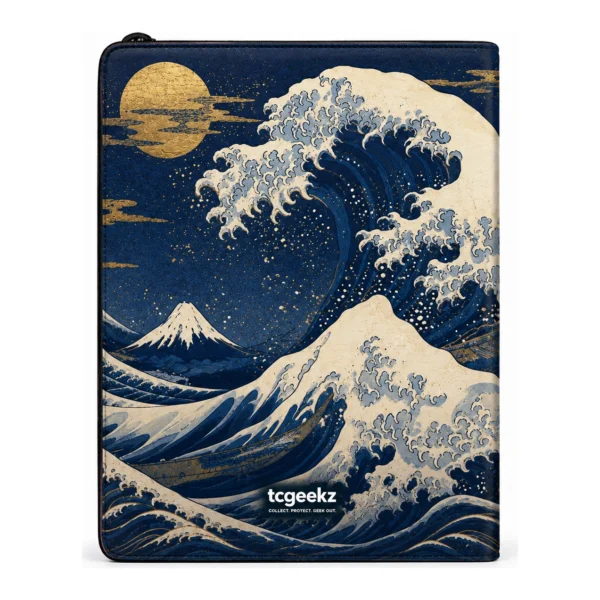
Not sure which format to lead with? Our binder vs. toploader vs. storage box breakdown weighs the trade-offs in detail, and the card binder buying guide helps you pick a design and page count that fits your collection’s size.

How do you keep One Piece cards in mint condition?
Sleeve first, then control the environment. The grading market is unforgiving about condition — in February 2026 alone CGC graded 451,000 cards, up 57% year over year (Sports Illustrated / cllct, 2026), and a single soft corner is the difference between a 10 and an 8. Follow these habits and your best One Piece cards stay grade-worthy.
- Penny-sleeve every keeper, then add a perfect-fit or toploader for anything SR and above.
- Handle by the edges with clean, dry hands — skin oils and fingerprints show under grading lights.
- Control humidity. Store around 45–55% relative humidity; a small dehumidified box or silica packs prevent warping and foil clouding.
- Keep cards out of direct sunlight to stop the vivid One Piece inks from fading.
- Grade your chase cards if they’ll sit long-term — a slab both protects and authenticates.

A simple 6-step One Piece organizing workflow
Ready to actually do it? Here’s the workflow start to finish. Set aside an evening, clear a table, and work one pile at a time — it moves faster than it looks.
- Triple-pile it. Split everything into keep-collection, play-decks, and trade/sell.
- Sort the keep pile by set. Stack by OP-01, OP-02, EB, PRB, and promos.
- Order each set by number. Run
OP01-001upward so gaps jump out. - Pull the hits. Move every SR, SEC, alt-art, and manga rare into sleeves and toploaders.
- Load the binder. Page the keepers in checklist order; color-tab dividers help.
- Box the bulk and log it. Commons to a storage box; note your chase cards in a spreadsheet or collection app for insurance and trades.

New to the hobby and building from zero? Start with our beginner’s guide to starting a trading card collection, then come back here once the One Piece cards start piling up.
Frequently Asked Questions
Should I organize my One Piece cards by color or by set?
Both — in that order of preference by goal. Set collectors sort by set code then card number, because it mirrors the official checklist and exposes gaps. Players sort by color and leader, since decks are built around one leader’s color. Most collectors do a three-pile pass first, then fine-sort each pile.
Do I need to sleeve every One Piece card?
Not every common, but every card you care about. Condition drives value in a market that graded 26.8 million cards in 2025, up 32% year over year (GemRate via VoxBooster, 2026). Penny-sleeve keepers and add a toploader for anything Super Rare and above; commons can go straight to a bulk box.
What does a code like OP01-001 mean?
It’s the card’s address: the set code (OP-01, Romance Dawn), a dash, then its number in that set (001). Secret Rares and chase cards usually sit at the very end of a set’s numbering. Sorting by set code and then numerically reproduces the official checklist in your binder.
What’s the most valuable One Piece card right now?
As of mid-2026, the Monkey D. Luffy OP13-118 Red Super Alt-Art tops the game, with a BGS 10 selling for $11,700 in May 2026 and raw copies near $8,489 (TCG Stacked, 2026). Prices move constantly, so check recent sales before buying or selling.
Is a binder or a toploader better for valuable One Piece cards?
Use both. Keep high-value alt-arts and manga rares in individual toploaders or one-touch holders for maximum protection, and store the rest of the set in a zip binder with side-loading, archival pages. A binder displays and organizes; a toploader armors single chase cards.
Bring order to the crew
Organizing a One Piece collection comes down to a repeatable rhythm: three piles, sort by set and color, protect the hits, and give everything a home that matches its job. Do it once and every new booster box slots in cleanly instead of adding to the chaos. With TCG cards now leading the grading boom, a well-kept collection isn’t just tidier — it’s easier to value, trade, and one day grade. Grab a binder that fits your crew, sleeve your best pulls, and keep sailing. Collect. Protect. Geek Out.
Sources
- Sports Illustrated / cllct, Over 26 Million Cards Graded in 2025, retrieved 2026-09-01, si.com
- VoxBooster, Trading Card Statistics 2026, retrieved 2026-09-01, voxbooster.com
- Global Market Insights, Trading Card Games Market, retrieved 2026-09-01, gminsights.com
- TCG Stacked, Top 100 Most Expensive One Piece Cards (2026), retrieved 2026-09-01, tcgstacked.com